
Apologetics in youth ministry is an interesting concept. I think a lot of youth ministers love apologetics and desperately want their students to understand it too. But there’s a tension. When is there possibly time to incorporate apologetics into your youth ministry? The schedule is already packed; you don’t have a lot of time with your students, and you probably don’t want to take any away from the other important lessons you want to teach them.
I’d like to look at two important questions here: Do we need to incorporate apologetics into our youth ministry? And if we determine that we do, how can we go about it?
Do We Need Apologetics?
It can be easy to assume that our students aren’t wrestling with questions about the faith, especially if they aren’t asking them out loud. But there are a lot of reasons why students may not feel comfortable voicing their questions. They may not possess the right language to give words to their question. They might be scared of what their leader or others would think of them for expressing a doubt. They may worry that even asking a question about the faith makes them look like they’re losing their faith. But just because students aren’t voicing their questions doesn’t mean they don’t have them.
Whether because of social media, friends at school, or their own curious minds, students will face questions about the faith. Questions like these are common: Can Scripture be trusted? Why would a good God allow all this suffering? What does it mean when it seems like God didn’t answer my prayers?
Your students may not bring these questions to you, but they’re there—and it’s important for us to address them so that they don’t become a stumbling block to faith. For this important reason, we need apologetics in our student ministries.
Shepherding Well by Anticipating Questions
I’ve never been a literal shepherd. Never herded sheep across a valley. I can imagine, though, that part of being a good shepherd is looking down the road ahead and seeing potential pitfalls. It’s not just responding to threats as they happen but anticipating threats that are likely to arise. The same is true of youth ministry and apologetics. Yes, we want to be prepared to respond when students ask us difficult questions, but we also want to be ready to provide wise answers before those questions are ever voiced. The apostle Paul does this in 1 Corinthians 15. He addresses doubts people will have about the bodily resurrection of Christ and addresses them before continuing his argument.
Three Ways to Prepare Students Proactively
Here are three ways you can proactively anticipate doubts, prepare your students, and incorporate some apologetics into your youth ministry.
1. Know your students.
Knowing your students is important. Find time to spend with your students outside of formal youth teaching environments. Ask your students what they hear other people say about Christianity at school, online, and among their friends. When you’re up front teaching or in a small group, pay attention when a normally talkative student goes quiet during a discussion of a particular subject. Listen for recurring concerns your students have. Are questions about suffering, identity, science, or unanswered prayer coming up regularly? In the same way shepherds can’t anticipate the types of danger their sheep will fall for unless they know their sheep, a youth pastor can only anticipate questions by knowing the lives of their students.
2. Ask what questions a biblical text may give rise to.
When you’re prepping to teach or lead a small group, your job is not just to ask what the text means, but to also ask what aspects of the passage may be difficult for a teenager to accept. For example, if you’re teaching about Noah’s flood, you can reasonably anticipate that a student might have questions about the fairness of God’s judgment. If you’re teaching about prayer, you might anticipate that the passage under discussion would be difficult for students who feel like God is far from them. You don’t have to turn every lesson into an apologetics lecture, but sometimes naming the difficulty and offering a brief answer can make a world of difference for a struggling student.
3. Bring the question into the room.
Voice the question! Don’t always wait for students to bring the question to you but instead voice it yourself. When you do this, you open up an opportunity to teach your students how to think through objections to the faith. You get to acknowledge where belief gets complicated at times. You get to steer your students toward helpful and appropriate resources. It gives you a chance to show your students how to answer tough questions and where to look for answers, before someone on social media does.
Conclusion
As much as we would like to, we don’t know what the future holds for the youth we care about. We can’t predict every difficult conversation, painful experience, or intellectual challenge they will encounter in their lives. It would be nice if we could. But we can’t.
Here’s what we can do, though. We can show them that their first response doesn’t have to be fear. We can show them that Christians who have gone before them have wrestled with the same issues. We can show them that Christianity has good answers for tough questions.
When we take the time to address difficult questions before our students are forced to face them alone, we get to show them that their doubts need not destroy their faith. Questions our students have can be an invitation for us to return to Scripture, seek wisdom, and come closer to the Lord who has all the answers.
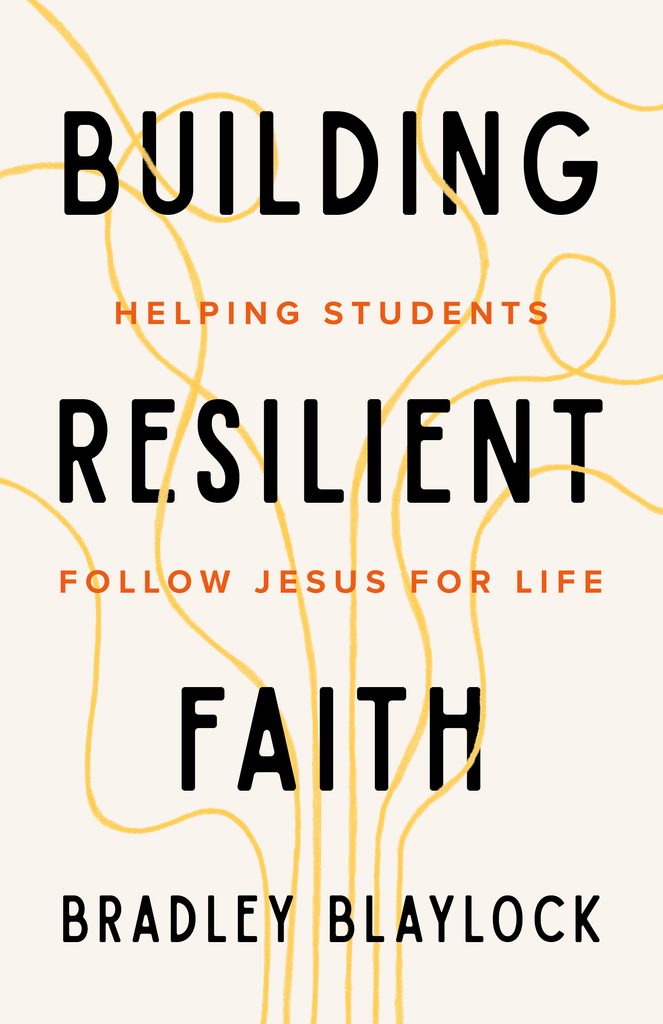
Building Resilient Faith
Every student in your youth ministry will eventually leave. Are they ready? The point of youth ministry is to prepare them for what comes next. Students need a safe environment to ask hard questions, connect theology to their everyday lives, and encounter Christ in meaningful ways. Building Resilient Faith by Bradley Blaylock is a guide for youth pastors and ministry leaders who want to help students develop a strong, enduring, Christ-centered faith that can withstand doubt, cultural pressure, conflicting worldviews, emotional challenges, and life’s inevitable storms.