My very first baby was wheeled into my hospital room after I had given birth. It is the first memory I have of truly seeing her. I was in total shock. Shock from giving birth, shock that I had a kid, shock that now I was in charge of this human life. She was beautiful and perfect and seemed to be staring me down through that plastic rectangle she lay bundled in. My husband and I looked at each other. What in the world had we gotten ourselves into? For the first time ever, I understood what people meant when they said their heart was outside of their body. She was stunning. She was tiny. She was mine.
A Parent’s Love
No matter how your family came about, little humans (or maybe not so little anymore) tend to be one of the main ways God teaches parents about unconditional love. Parents have the privilege of walking alongside kids for so many firsts. We watch their first steps, hear their first words, walk them to their first day of school, and watch them experience their first encounters with Jesus.
Firsts can be exciting and terrifying at the same time. You get to watch a tiny human grow into a little-less-tiny version of themselves. You get to watch them grow into who God is creating them to be.
But with growth comes growing pains.
A Broken World
In a world full of beauty, we are also surrounded by sin and suffering. This is the world our children must adapt to, a world where not everyone loves our kids the same way we do. A world where they will experience hard things.
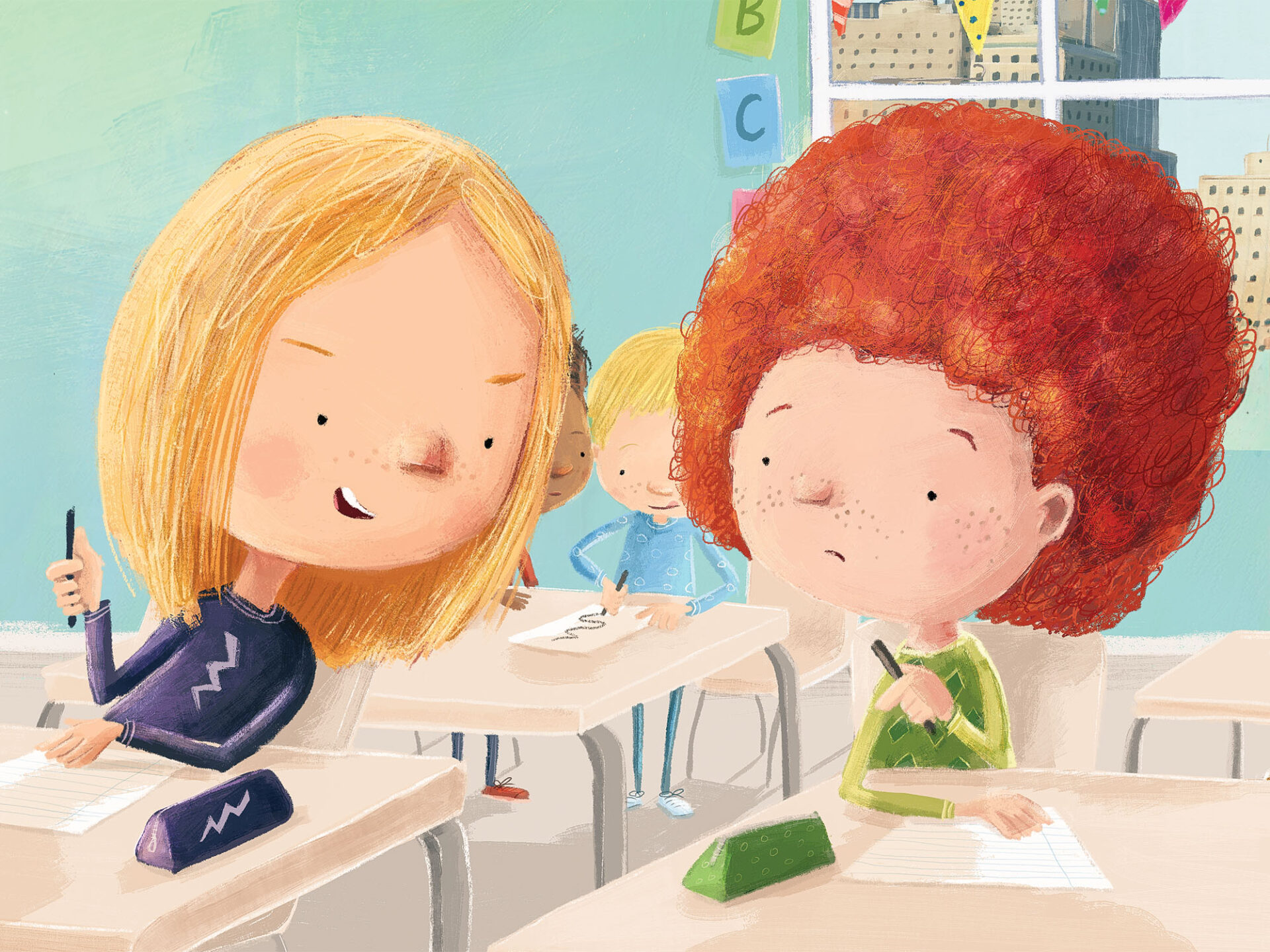
My six-year-old left the playground a bit confused. As we crossed the street, she looked up at me and said, “I don’t think that kid liked me very much.” Of course she hadn’t experienced much of that. She is the youngest child of three and is often the joy of the family. We sat down on a step and I looked her in the face. “Not everyone will like you, and really, that’s okay!”
I wanted her to understand that not everyone was going to love her in the same way her family does. Not because I wanted her ego blown, but because I wanted her to be ready for the pain when it struck.
The hard truth is that our kids will experience meanness, unfairness, loss, and uncertainty. This is often not just painful, but confusing. We want them to feel loved and accepted and cared for. But as caregivers, we must also ask ourselves, “Why?” Why do we want them to feel loved? It can’t just be to keep them from pain; it must also be so they come to know God, who is love (1 John 4:8).
But that just isn’t how this fallen world works. Pain is part of the story of redemption, as Paul reminds us: “I myself in my mind am a slave to God’s law, but in my sinful nature a slave to the law of sin” (Romans 7:25). With that broken nature comes suffering. This means not everyone will be nice and like you, and we will not always be nice and like everyone else, either.
So how do you manage? How do you send your children into a world where not everyone will be kind in the ways you hope to teach them to be kind? What do you do when your own kid is the bully?
One Answer
My only answer is Jesus. Not because it’s the pretty answer, but because it’s truly the only viable and lasting answer, even when we don’t understand how. He is the example when we face hard circumstances. He is the source of perfect forgiveness when you are the one who has caused hurt.
In 1 Peter 2:23, Peter describes how Jesus responded when others were unkind, “When they hurled their insults at him, he did not retaliate; when he suffered, he made no threats. Instead, he entrusted himself to him who judges justly.”
Jesus lived a perfect life despite the slander spoken against him. He was treated as a foreigner, a low-life, and a false teacher. But he chose kindness, grace, and forgiveness. He trusted in God’s plan and providence, not just for himself, but also for others. He did not pay back evil for evil but showed what it means to “turn the other cheek.” He teaches us to love unconditionally.
Of course, while Jesus did this perfectly, you and I are incapable of doing it just like him. That doesn’t mean we shouldn’t try. Instead, it means that we have what it takes to try. And because it’s the answer for us, it means we can give it as an answer to our children.
Wrapped up in this answer is an immense amount of grace for when we encounter mean people, patience with ourselves and others, and peace when we are treated poorly. Jesus was treated poorly and is the best friend a kid can have. We can use Scripture to show our kids that they aren’t alone; Jesus will never leave them or forsake them, no matter what.
A Way to Beauty
So, how do we find beauty in the midst of hard moments? We have the privilege of introducing our children to Jesus and letting his life lead by example. Our example is the reality of messing up and still having a relationship with Jesus. He is the example we should all aim for. But our kids must know that only Jesus is perfect. When we mirror his life as closely as we are able, respond with grace and forgiveness, and admit our faults, mistakes, and sin, our children need to see it all. We shouldn’t hide our faults from them. Instead, the way to beauty is allowing children to see Jesus work in our lives as we grow, and allowing them to experience the same hurts that we experience and that Jesus himself experienced.
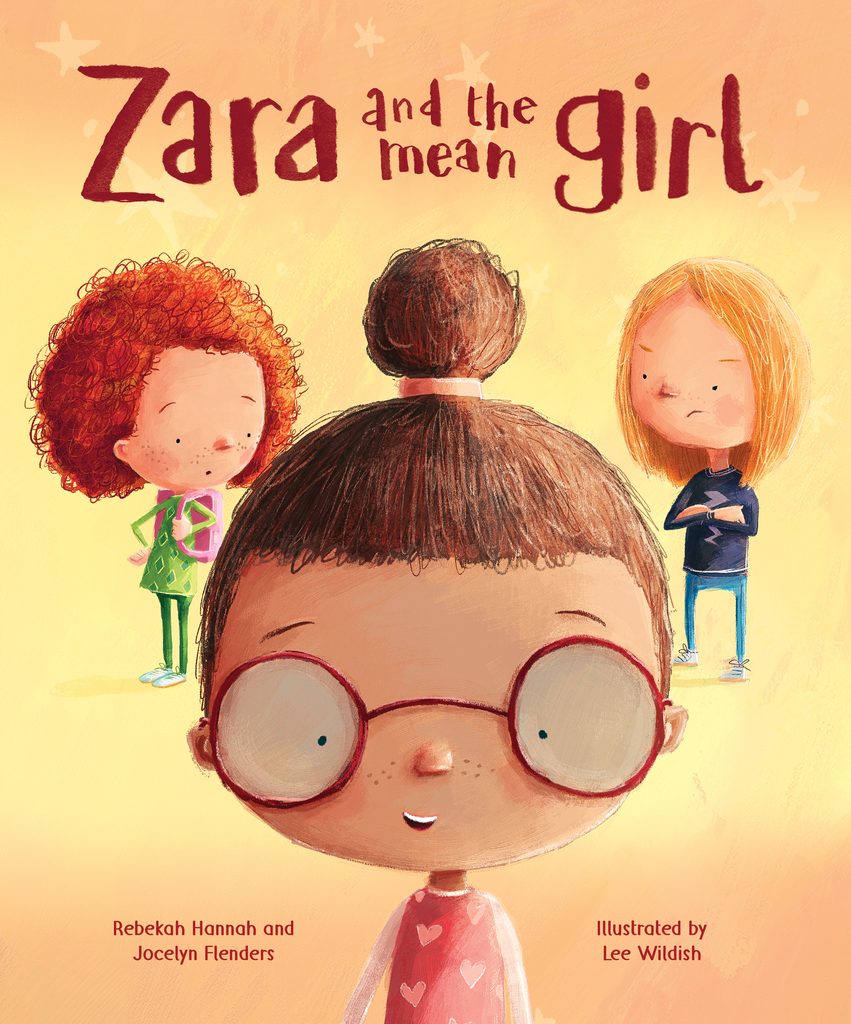
Zara and the Mean Girl
Every student in your youth ministry will eventually leave. Are they ready? The point of youth ministry is to prepare them for what comes next. Students need a safe environment to ask hard questions, connect theology to their everyday lives, and encounter Christ in meaningful ways. Building Resilient Faith by Bradley Blaylock is a guide for youth pastors and ministry leaders who want to help students develop a strong, enduring, Christ-centered faith that can withstand doubt, cultural pressure, conflicting worldviews, emotional challenges, and life’s inevitable storms.