
The first time you talk with your child about puberty probably won’t go exactly as you imagined.
You may begin with a calm, thoughtful sentence and then hear yourself using phrases you are fairly certain no one has ever said aloud before. Your child may stare at the floor, answer every question with, “I don’t know,” or sit in a silence that makes thirty seconds feel like twelve minutes. You may blush. They may blush. You may both wish the conversation was already over.
This is completely normal.
Most parents feel pressure to get the puberty talk just right. We want to be clear without overwhelming our children, honest without saying too much, and warm without making everything feel even more awkward. We hope to choose the right words, at the right age, at the right moment—and perhaps to finish before anyone feels the need to hide under the table.
So we wait.
We wait for the perfect opening, the perfect question, or the perfect level of maturity. We imagine that the conversation will perhaps happen naturally during a car ride, when no one has to make eye contact.
But while we wait, our children are already paying attention. They notice that their bodies are changing. They realize they need deodorant. They see older siblings wanting more privacy. They hear friends use words they do not understand. Questions are forming, even when children are not yet ready to ask them.
Silence Is Not Safer
That is why having the first conversation matters so much. It tells your child, “This is something we can talk about.” Children do not need one grand, flawless speech about puberty. They do not need a parent with a medical degree or nerves of steel. They need a calm, honest beginning that leaves room for more conversations later. You might simply say, “Your body is going to change as you grow. Some of those changes may feel strange at first, but they are not bad. God made your body, and you can always ask me questions.” It may not feel polished, but it opens a door.
Silence may feel safer for a parent, but it can leave a child alone with questions they do not yet know how to carry. Children are remarkably good at searching for answers. We want our voices to reach them before the internet, their peers, or the loudest messages around them become their primary guides.
The questions beneath their questions are often tender ones:
- Am I normal?
- Is this supposed to happen?
- Will other people notice?
- Is my body okay?
- Why do I feel embarrassed?
A child needs to know not only what is happening, but also that growing up is part of God’s good design—not something to fear, hide, or be ashamed of. Even the slow, sometimes awkward process of change unfolds beneath his loving gaze. Their changing bodies are always held within his wise and loving care.
Growth Is More Than Physical
Scripture helps us see that this kind of growth is about more than the body alone. We are told that “the boy Samuel continued to grow both in stature and in favor with the Lord and also with man” (1 Samuel 2:26). Samuel grew not only physically, but also with God, among God’s people, and into the life the Lord had given him.
This idea of spiritual and interpersonal growth gives us a richer way to talk about puberty. The process of growing up includes our bodies, but it is never only about bodies. It is also about learning responsibility, courage, self-control, compassion, friendship, service, worship, and love. Puberty is not merely something a child must endure. It is one part of the process of becoming the person God made them to be.
If your first conversation feels awkward, you have not failed. You may say too much or too little. Your child may ask a question you are not prepared to answer. You may need to pause and say, “That is a good question. Let me think about it, and we can talk again.” The goal is not to deliver a perfect “talk.” The goal is to begin a conversation your child knows they can return to.
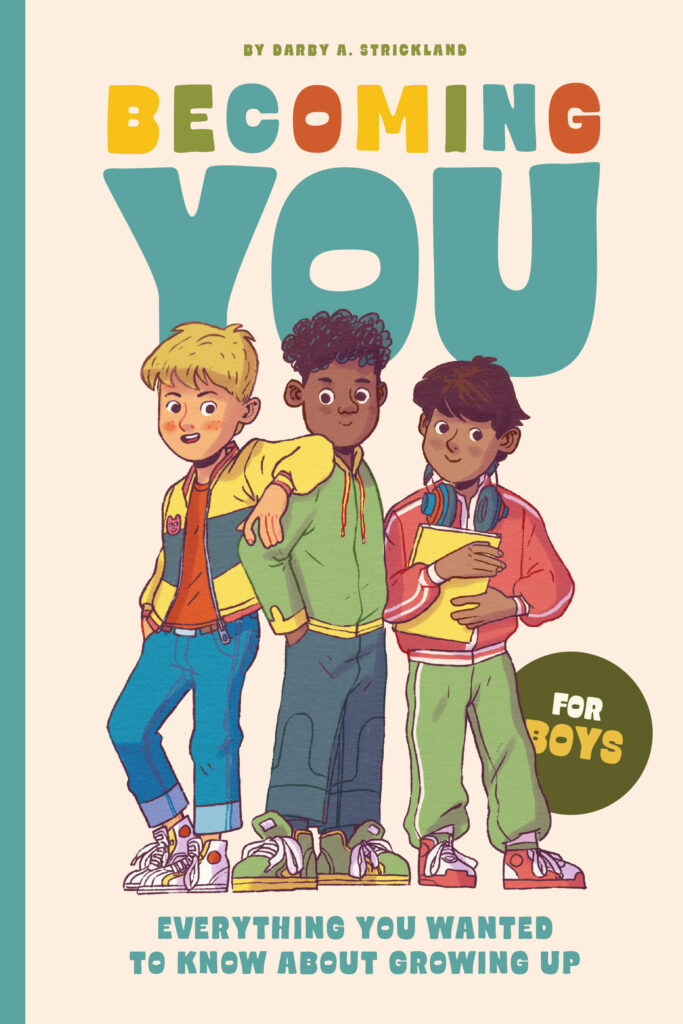
Becoming You for Boys
Becoming You for Boys is a comprehensive, Christ-centered guide designed to help preteen boys understand puberty, navigate emotional and social changes, and grow in wisdom and character. It blends science, practical advice, biblical truth, and gentle humor to make an often-awkward subject accessible and encouraging.
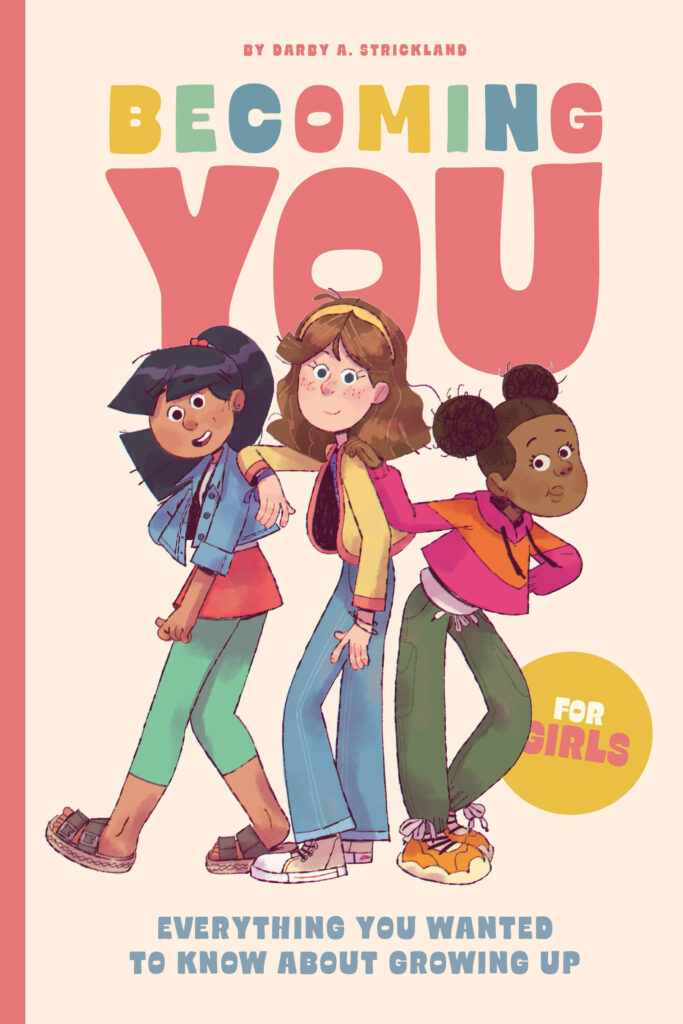
Becoming You for Girls
Becoming You for Girls is a Christ-centered guidebook designed to help preteen girls understand, navigate, and grow through puberty—physically, emotionally, socially, and spiritually. Written in an accessible, warm, and encouraging tone, the book explains biological changes, emotional development, friendships, identity, safety, wisdom, technology, and faith, all while grounding each topic in biblical truth.