Summer brings the promise of warmer weather, longer days, and a collective exhale. We look at the span of months on the calendar between the frenetic schedule of the school year and imagine a season of rest. Finally, we get to slow down and enjoy the lazy summer days.
Then we get to August, right before school starts back, and we realize, Wait. What happened? Where did the lazy days go? I want a redo on this summer!
What happened is we traded one brand of busy for another. Instead of slowing down, we filled the margins with camps, trips, projects, and packed agendas. We entered the season hoping for a change of pace but ended up running the same race—just on a different track.
How can families actually exchange a pace that demands doing for a rhythm that prioritizes being? How can we rewrite the script on the frantic busyness that easily presses in? For the answer, we need to look beneath our schedules to a theology that invites us to an intentional slowness.
The Design
Before the fall, Adam and Eve lived in unhurried communion with God. It is fascinating to realize that humanity’s very first full day on earth was a day of rest—the Sabbath. God didn’t rest on the seventh day because he was exhausted. He paused to enjoy the goodness of what he had made, setting a rhythm for his people to follow. Because of this, Adam and Eve didn’t work the garden in order to earn rest. They worked from the rest they had already experienced in the presence of the Lord.
This means they didn’t have to rush. There wasn’t a quota of work to do. They didn’t have sales goals or productivity benchmarks in order to secure their place in the garden.
It was all a gift for them to enjoy and savor.
In the same way, we now get to practice a “walking in the garden” kind of intentional slowness, which enables us to recognize our God-designed limitations as creatures, celebrate his goodness, connect with our families, and simply be.
Of course, doing isn’t wrong. Not at all. God gave us good work to do for his glory (Ephesians 2:10). But just as there is a time to work, there is a time to rest. After all, we are human beings, not human doings.
The Race
The problem is that our flesh (and our culture) defaults to making productivity our functional identity. We are tempted to measure our worth by our output. The result is a relentless pace dedicated to doing more and more—a pace that refuses to accept human limitations. While we say we want to slow down, the our hearts often resist, keeping the pedal pressed to the floor, turning even summer vacations into a checklist of obligations to fulfill.
Eventually, our minds and bodies begin showing the warning signs of fatigue.
- The lingering exhaustion even after a full night’s sleep.
- Decision fatigue just from choosing what to have for dinner.
- The mental weight of planning how to fill every hour of the day stealing the joy out of a simple day at the beach.
These symptoms are signs pointing us to the need to slow down. To slow everything down. But this is nearly impossible for those of us who find our worth or sense of purpose in what we do.
The Good News
The good news for the exhausted is that our identity doesn’t have to be connected to our productivity but to the productivity of Jesus. He did for us what we could never do for ourselves, fulfilling the law’s demands of both righteousness and justice.
With his declaration from the cross, “It is finished” (John 19:30), the ultimate work was completed. You do not need to prove your worth or secure your identity through conquering a summer schedule. You are deeply loved, fully accepted, and perfectly secure, not because of what you do now, but because of what he did then.
When your heart is anchored in this reality, slowing down is no longer a threat to your identity. It becomes an implication of your identity.
The Opportunity of a Slower Summer
This provides us with a huge opportunity this summer.
Because Jesus has already finished the work and we don’t have to prove our worth, we get to trade the heavy yoke of endless activity for the grace of intentional slowness.
Consider these summer rhythms not as boxes to check, but as ways to slow down this summer as you consciously adopt a new gospel-informed pace for your family.
- The “no-agenda” afternoon. Dedicate a block of time each week where the goal is simply to “be” rather than “do.” Leave the schedule completely blank. Give your family permission to read, nap, play in the yard, or stare at the clouds. Remove the pressure of an outcome and rest in the gift of unhurried time.
- The digital Sabbath. It is hard to rest when a device feeds you the world’s urgency. Intentionally silence the digital noise for a set period of time. Turn off the notifications, leave your phone in a drawer, and step away from the inbox. Use this quiet hour to “be still and know” (Psalm 46:10), and to enjoy the melody of the birds singing in the backyard.
- Work-life margin. If you are a parent juggling work with your summer kids-at-home schedule, acknowledge the stress of figuring out how to keep kids meaningfully occupied, especially if you’re trying to avoid expensive camps or constant childcare. If possible, build margin into your work schedule and set realistic expectations. Give yourself grace. Jesus does.
- No morning alarm days. When you’re able, consider turning off morning alarms so your family can wake up naturally and embrace a slower, unhurried start. This intentional choice frees the first few hours of the day from obligation and provides the gift of a relaxed morning routine.
- Simple dinner nights. Reduce the mental weight of evening meals by planning one or two simple, routine dinners each week, such as frozen pizza or takeout. This simple act removes some of the pressure of menu planning, shopping, and cooking, freeing up valuable “slow time.” It ensures that the dinner hour remains free for connection. To make it really easy, consider using paper plates on occasion for simple cleanup.
- Gospel conversation. A slower pace creates the space we need to connect. When you aren’t rushing from one activity to the next, you can move past daily logistics and talk about the longings of the heart. Ask your spouse and your children deeper questions. Listen patiently. Use the unhurried moments on the porch or around the dinner table to remind each other of God’s grace of Jesus, and what a gift it is to be his.
This summer, you don’t have to keep running. You have permission to take off your watch, put away the phone, and go for a long walk. Let the finished work of the cross dictate your pace as you embrace intentional slowness and experience the joy and peace of gospel rest.
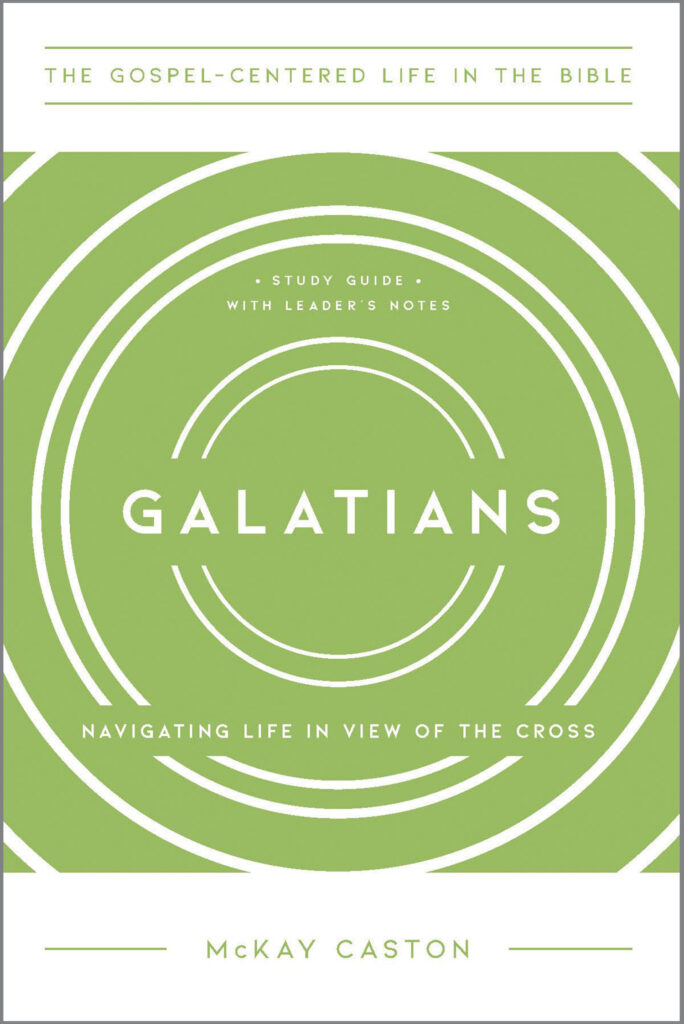
Galatians: Navigating Life in View of the Cross
In his Galatians Bible study, McKay Caston guides participants in keeping the gospel as the “true north” compass for their lives, allowing them to break free from religious rule-keeping and live with freedom and joy.