
No parent starts off trying to mess up and get it wrong. We typically enter parenthood with anticipation and deep joy as that baby is wheeled into the room next to us, wrapped up in that hospital baby blanket we’ve seen a thousand times but never felt was all that special until that one moment.
Then, that baby grows and grows and grows. Eventually, we find out that baby will talk and think and ask questions we have never even thought about.
Navigating the World We Live In
In today’s world, the idea of keeping our children cocooned away from all negative cultural influences just isn’t an easy option any longer. Our kids see and hear things that I wouldn’t typically let a child take in. Even if we tightly regulate their access to technology and social media, messages will be bombarding them constantly from friends, school, billboards, commercials, and grocery store aisles. It’s the plight of every parent for every kid.
This exposure to cultural hot topics, news headlines, and TikTok trends translates into kids often having big, complicated, or even scary questions. They will come to you with a range of inquiries from comical to complicated and everything in between.
Why aren’t we giving the homeless person money?
Why would God let our friend die?
Is Dolly Parton in heaven?
What does it matter what we do if we are just going to heaven anyway?
What is sex trafficking?
How do we handle these questions? What do we do? What is the right answer?
When Kids Stop Asking
Here’s what I’ll tell you: I rarely know what to say.
My kids constantly astound me with questions, making me search for answers I don’t automatically have in my back pocket. And in between the question and our response, something happens that we rarely consciously decide to do.
We deflect. We make light of it. We give them a short, unsatisfying answer. We distract them. We rush to the next thing. We have internal emotional spirals about what their questions mean and how we can protect them. Maybe we say, “We’ll talk about it when you’re older,” or “That’s just how it is.”
We don’t respond this way because we don’t care about their concerns. We do it because parenting is scary. We’re afraid of getting it wrong. Afraid of saying too much. Afraid of planting the wrong idea in their brains. Afraid of revealing that we don’t know as much as they think we do. But children know better. They’re fast learners. They’re perceptive and know which subjects make you uncomfortable. When we cut the conversations short, they may stop asking questions, but they don’t stop wondering about them.
Eventually, if parents don’t engage with their hard questions, kids will go ask somewhere else. The internet. Their friends. The television. Rarely do they approach someone else wiser, kinder, or more rooted in the love of Jesus.
Present, Willing, and Repentant
I know parents just want easy answers as much as their kids do. They want someone to tell them what to say about death, divorce, the man sleeping on the corner, and the troubling thing their daughter learned at recess. Give them the script and they will memorize it.
But there are no scripts.
What I’ve come to realize is that not having a script is a mercy. The easy answer is never the thing our children have really needed.
Instead, our children need present, willing, and repentant parents walking with them as we search for Jesus and answers together.
Present: Kids don’t ask questions on a schedule. They come right at bedtime, or in the car with other friends. They happen in moments you can’t plan for. Presence communicates availability louder than words. I’m here. I’m listening. I’m thinking with you. When you ask hard questions, I’ll listen and stay.
As parents stay present, kids feel safe.
Willing: The hardest part is often not having the answer. It can be painful to sit inside questions that don’t have easy solutions or questions that make us uncomfortable. Willingness to engage involves admitting that you don’t know what to say but that you’re willing to find out together.
Repentant: We all get it wrong a lot. When we say something harsh, lose our temper, dismiss a question, give a guilt trip, or push our kids for our own accolades, we have a choice of what to do next. We can pretend it didn’t happen, feel like we are above apologizing because we are parents, and not want to show weakness—wanting to exert our own parenting authority above anything else. But this is an anti-gospel attitude to sin. When we repent in to our kids for our sinful responses, it may be the clearest picture of the gospel our children will ever see up close.
Why It Matters
It would be easy to read this article as a simple encouragement. Take heart, tired parents of the world, you don’t have to be perfect! But as true as that statement is, it isn’t the actual reason these conversations matter.
We talk to kids about hard things because of who God is. Our kids are mini–Imago Dei living in a world that is tragically broken, and they feel it the minute they enter it. When parents refuse to enter the fray with them, it’s the opposite of protection. We silently teach them that a life of faith isn’t a place where we can be honest and that God is only capable as long as our questions aren’t too difficult.
But that is not the God of Scripture. Our true God does not flinch at hard questions. The Bible speaks straight to suffering, injustice, betrayal, death, and doubt. A child who learns that hard things can be said out loud in your home is learning something true about the character of God long before we put words to it.
This means hard conversations with our kids are not problems to be solved or managed until further notice. They are one of many ways our children come to know God and experience your own relationship with God as a parent.
This is why perfection can never be the goal. There is only one perfect parent, and it’s not me or you. It’s God the Father, and he is perfectly present, perfectly willing and perfectly forgiving. When kids ask hard questions, we are free from having to have all the right answers. Instead, we can stay present, willing and repentant. That’s true parenting success.
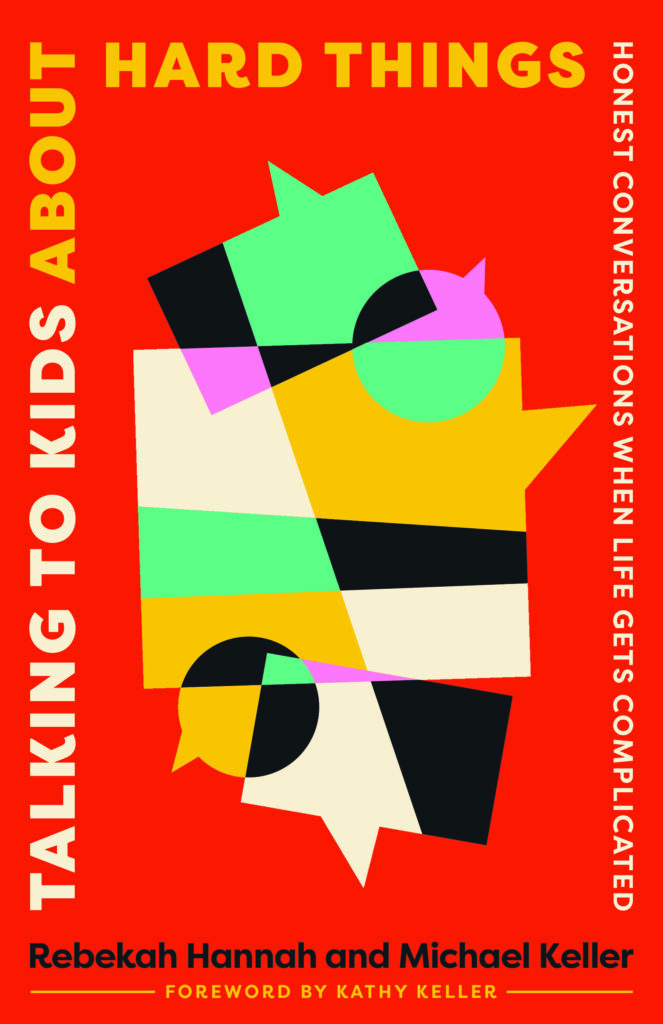
Talking to Kids about Hard things
From cultural pressures and political discussions to questions about identity and struggles with doubt, kids are exposed to the realities of our world from an early age. That’s why honest, courageous conversations are not optional for today’s parents—they are essential opportunities for the spiritual formation of both children andparents. Rebekah Hannah and Michael Keller offer parents a path for talking to their kids that is neither fearful nor passive but rooted in empathy, curiosity, and the steady love of Jesus.