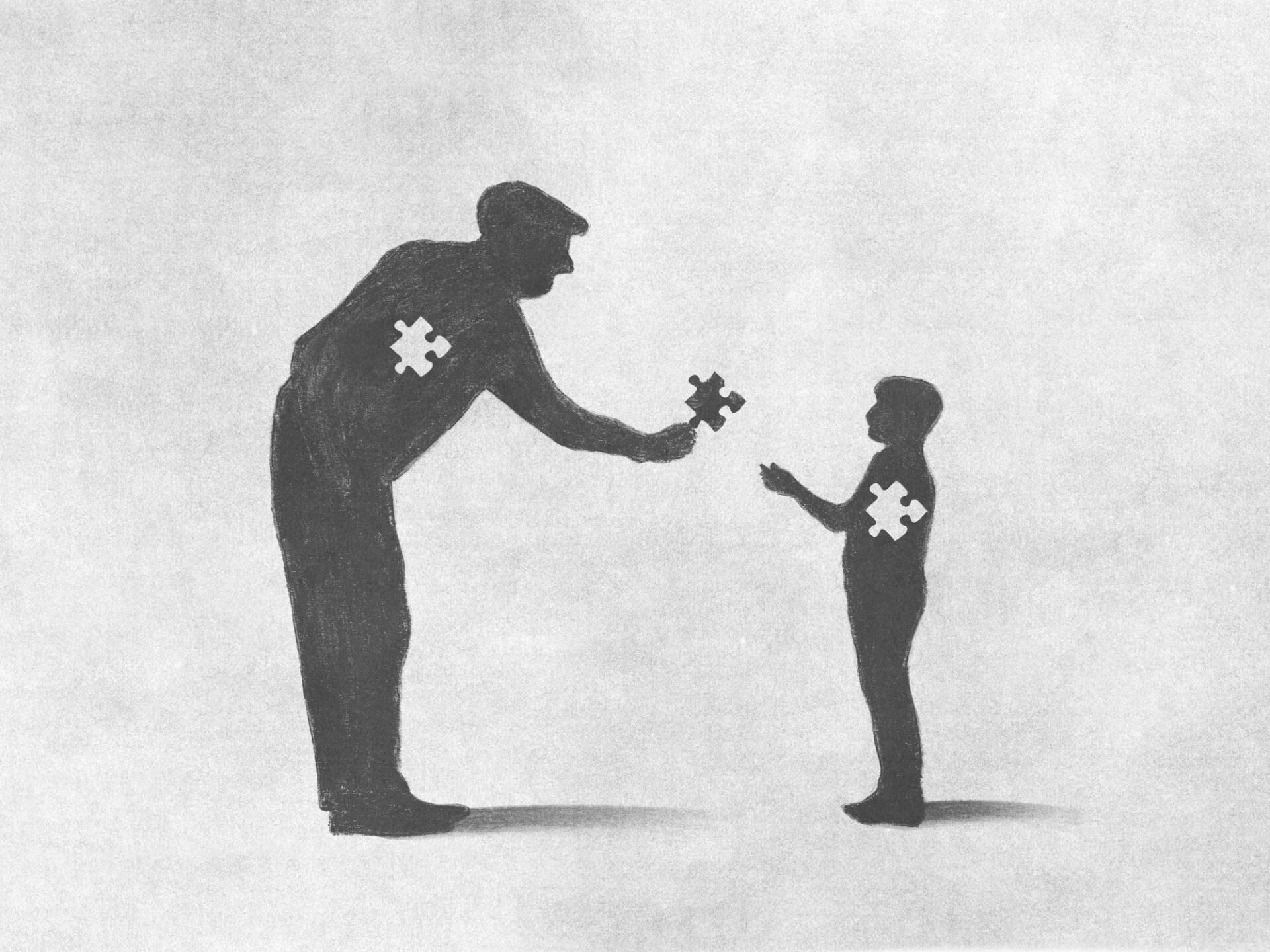
Not long after my wife and I purchased a brand-new seven-passenger van for our growing family, a friend asked if they could borrow it for their vacation to Florida. We lived in Pennsylvania. Loaning our van was more than simply sharing; it required sacrifice. They would leave us with their smaller car, which meant that for the whole trip we would need to take two cars to transport our family. Giving up our vehicle meant giving up the joy of being the first to take it on a long journey and surrendering a portion of its brand-new life. It was a bold request, yet we gladly said “Yes.”
We had plenty of reasons to decline, but one greater reason compelled us to agree—the value of sacrifice. Jesus gave up everything for us when he left his throne and took on our sin. His sacrifice gave us the privilege and opportunity to emulate him in joyful, costly giving. It also gave us a chance to establish the value of sacrifice in our young family.
When we speak of sacrifice as a value in a family culture, we mean giving up something valuable to bless someone else. Teaching children to sacrifice is a powerful way to highlight the gospel through Christ’s example and to reveal the selfishness that still lingers in our hearts. As children learn to appreciate sacrifice, they also become more aware of the pull of worldly comforts and pleasures.
We Grow Up Very Aware of Our Property Rights
Children raised in the prosperous Western culture quickly learn to value personal property and to defend their rights. Willingly giving up what belongs to them is not a natural mindset. Yet this ignores God’s authority and our role as stewards of what we have been given. God owns all things and graciously provides for us. At times, he calls us to let his blessings to us flow through our hands to bless others.
When was the last time you gave something of great value away to bless someone else? Have your children seen you sacrifice your time to bless a neighbor? We spend significant time thinking about what possessions we want to acquire next, but how much time do we take to consider what we should give away?
Sacrifice is a close cousin to sharing but goes a step further. Sharing means giving up some of what we have so others can also have some, but sacrifice in its purest form gives up all. A child who shares a piece of candy from a full bag with their friends has given from their abundance. Sacrifice provides the opportunity to give all. A child who gives up favorite toy to bless a friend suffers the loss. A child who offers to sacrifice their time to rake an elderly neighbor’s leaves for free gives up their freedom to do something else.
It is not as though children should be taught to always sacrifice what is theirs for the benefit of others, but it should be an option on the table. There is a time to say “No,” but we should look for opportunities to say “Yes.” Try to start this is your home by exercising your sacrifice muscle in smaller, daily ways.
For example, when you run into the grocery store to grab a single item and the person next in line to check out gives up their place to allow you to go ahead, they are not sharing their position, they are sacrificing it or giving it up for you. When a child who runs to be first in the lunch line gives up their position to a fellow student they demonstrate the value of sacrifice. Anytime you witness examples of sacrifice, point them out to your children so they can learn to recognize this value.
Sacrifice in the Bible
One of the best Bible passages to teach the value of sacrifice is Philippians chapter two. Paul exhorts the Philippians to:
Do nothing from selfish ambition or conceit, but in humility count others more significant than yourselves. Let each of you look not only to his own interests, but also to the interests of others.
~ Philippians 2:3–4
Paul’s exhortation flips property ownership rights on its head. Property rights dictate that we remain in the first position. But Paul tells us to count others more important. That doesn’t mean we must always give everything away. But it does mean giving up what we own is always an option.
The Call to Sacrifice Is Motivated by the Gospel
Paul bookends this call to sacrifice with gospel truth. Paul is speaking to believers who have benefitted in any way from God’s saving love. He opens with, “if there is any encouragement in Christ, any comfort from love, any participation in the Spirit, any affection and sympathy, complete my joy by being of the same mind” (Philippians 2:1–2)
Then after his charge to sacrifice he gives the us our motivation—the example of Christ. Paul says, “Have this mind among yourselves, which is yours in Christ Jesus, who, though he was in the form of God, did not count equality with God a thing to be grasped, but emptied himself, by taking the form of a servant, being born in the likeness of men. And being found in human form, he humbled himself by becoming obedient to the point of death, even death on a cross.” (Philippians 2:5–8)
Our motivation for sacrificing what is rightly ours for the benefit of others finds its motivation in the sacrifice of Jesus for our sins. Jesus voluntarily gave us everything. He gave up the riches of heaven. He gave up his first position on the throne with his Father. Jesus didn’t just give up one position in line, he went to the end of the line and put all God’s children before him.
If we have any “comfort” from this demonstration of love through Jesus’s sacrifice, Paul exhorts us to have the same mindset—the same value which drives our behavior. Nothing will test your affection for the world’s treasures more than to give stuff away, that you could keep but instead pass on to bless others.
Life in the Early Church
The value of sacrifice permeated the young church in Acts. Consider their example:
Now the full number of those who believed were of one heart and soul, and no one said that any of the things that belonged to him was his own, but they had everything in common.
~ Acts 4:32
Notice how their example follows the pattern of Paul’s exhortation to the Philippians. The early believers after Pentecost were unified “one heart and soul” under Christ and while they owned their possessions, they did not hold onto their property rights, but willingly sacrificed what they owned to bless others. When Barnabas sold a field that “belonged to him” and laid the proceeds at the apostle’s feet (Acts 2:37), he wasn’t just sharing, he sacrificed his field for the blessing of others in need.
Sacrifice is not meant to be an obligatory discipline we require of our children. Instead, let’s showcase the gospel example of Jesus as Paul does for the Philippians. Let’s draw attention whenever anyone sacrifices for another what they could rightfully keep and call our children to look for opportunities to sacrifice, motivated by the joy of their salvation.
Parents who look for opportunities to teach their children the value of sharing should similarly look for opportunities to demonstrate the value of sacrifice—giving up what you have for others. Look for occasions to point out sacrifice when one of your children gives up their position or a possession to bless a sibling or friend. When they give up their place in line you can say, “Honey, thank you for sacrificing your place in line and allowing your friend to be first.
When your child gives up his most valuable trading card because he knows it will bless his brother you can commend him for his sacrifice and point out from Philippians chapter two how Jesus offered up his life for us.
People are blessed when we share but are blown away when we sacrifice. Let’s look for ways to showcase this value in our families.
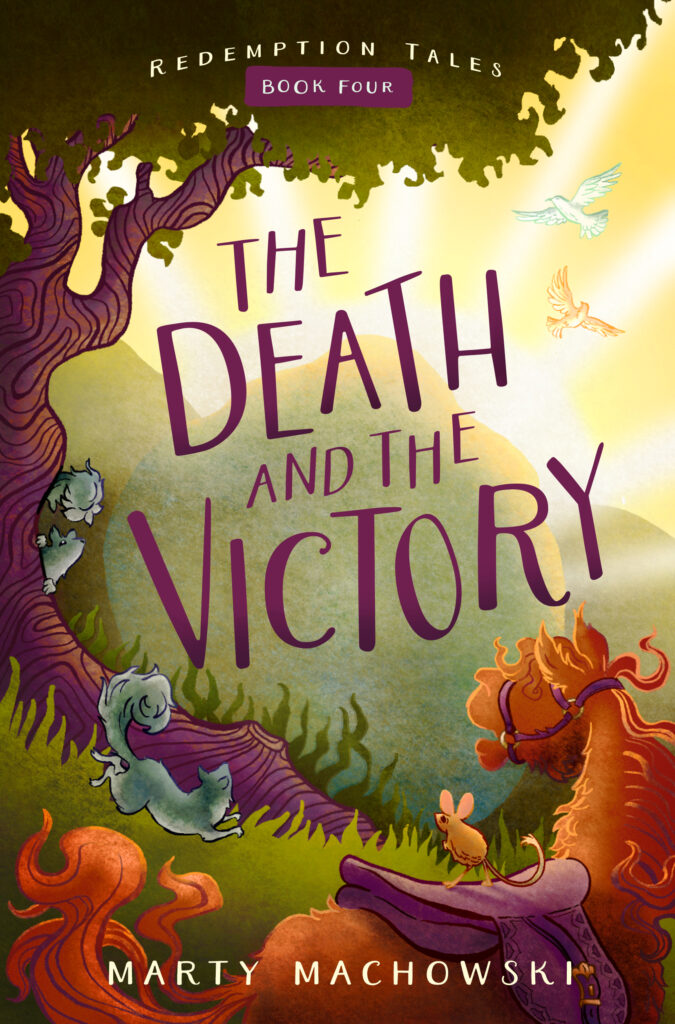
The Death and the Victory
The Death and the Victory by bestselling author Marty Machowski follows the adventures of the animals who could have witnessed the events of the New Testament from Jesus’s death through Revelation. Join jerboas at the cross, horses at Christ’s empty tomb, leopards watching Jesus ascend to heaven, turtledoves at Pentecost, squirrels who follow Saul to Damascus, and many animals on the island of Patmos with John.