If you are suffering from the disorienting and long-lasting effects of sexual trauma, you are not alone. The journey toward healing and renewal begins with seeking God, who not only sees your past and present suffering but also holds your future.
In After Sexual Trauma: Finding Renewal in Christ by Camille Cates combines biblical insights with her personal and counseling experience to provide a compassionate guide to help survivors of sexual trauma find comfort, hope, and healing through faith in Christ. Each chapter addresses common questions and struggles faced by those who have experienced sexual trauma, including understanding the initial shock and confusion, addressing self-blame, understanding how God views victims, discussing the physical, mental, and emotional effects, and finding healing and wholeness.
Throughout After Sexual Trauma, Cates uses examples of women in the Bible such as Hagar, Tamar, and Dinah to provide readers with relatable examples of suffering, injustice, and redemption. In doing so, she encourages readers to understand their own experiences through a biblical lens. We talk to her more about her book in this interview.
Q: After Sexual Trauma is a much-needed resource. Could you share some of the sobering statistics regarding the prevalence of sexual abuse?
Sadly, sexual abuse and assault are far more common than many people realize. Research shows that one in three women and one in six men experience sexual abuse or assault before they turn eighteen—and this does not include those who are victimized in adulthood. According to the Rape, Abuse & Incest National Network (RAINN), every seventy-four seconds someone in the United States is sexually assaulted, and every nine minutes that someone is a child. The weight of trauma that follows is devastating. Approximately 70% of survivors report moderate to severe distress following rape or sexual assault—significantly higher than for any other violent crime. To add to the heartbreak, in eight out of ten cases, the assailant is not a stranger, but someone the victim already knows (RAINN, 2020).
Q: Would you be willing to tell us some of your personal story and why this topic is so important to you? As a counselor, what areas do you specialize in?
This topic is deeply personal because it’s part of my own story. My first sexual experience was actually an assault by a boyfriend—something I didn’t recognize as assault until years later, after I was married. As a teenager and young adult, that initial experience sent me into a downward spiral of brokenness until, through God’s Word and the care of godly mentors, I came to see that Jesus meets us in our suffering with compassion and hope.
As a biblical counselor, I’ve had the privilege of walking with many women whose pain and struggles often trace back to sexual trauma. I’ve witnessed God tenderly meet them where they are and begin a similar work of healing in their lives. It’s a true joy to guide them through Scripture, pointing them to the God who sees, knows, and restores what has been broken.
Q: What are the most common questions or struggles survivors face after experiencing abuse?
Many survivors wrestle with the painful question, “Was it my fault?” I know I did after my own assault—wondering if it was because of what I wore, where I was, or the choices I made that night. But biblical narratives, like Dinah’s story in Genesis 34, make it clear that the fault always lies with the perpetrator, never the victim, and understanding this truth is key to moving from false guilt to the renewal Christ offers.
Another common question is, “Am I damaged beyond repair?” I remember asking this when memories of my past invaded moments of marital intimacy, leaving me feeling broken and ashamed. Sadly, Tamar’s story in 2 Samuel 13 ends in silence, but ours doesn’t have to. Because Jesus meets us in our suffering and offers not only comfort but a brand-new identity in Him, we can have renewed confidence and hope as God’s beloved child.
Q: What is the single most important thing a survivor needs to understand about their experience? What are the first steps for navigating guilt and shame?
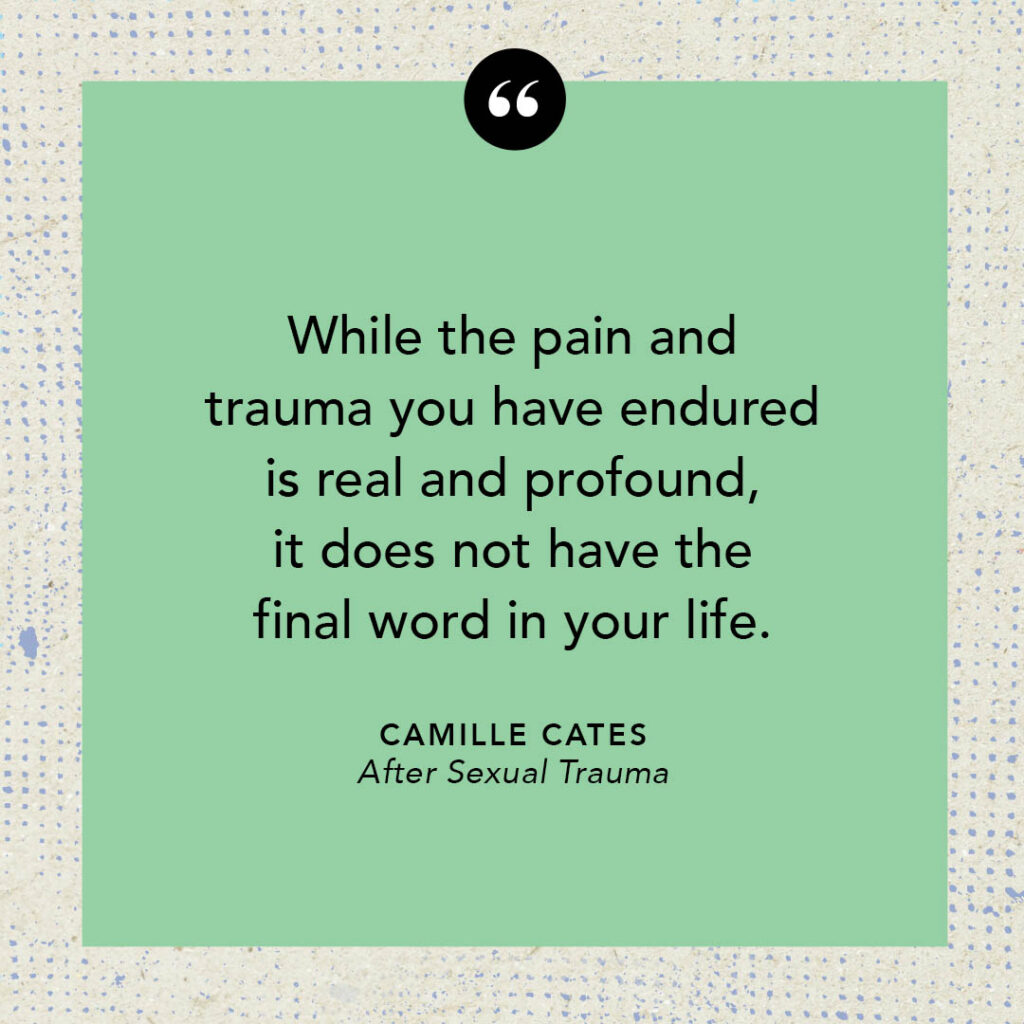
The most important thing a survivor needs to understand is that what happened was absolutely not their fault. Even if the perpetrator was someone you were dating, married to, or had previously given consent to, sexual abuse or assault is always wrong. Recognizing this truth is the first step toward releasing false guilt and beginning to heal.
The next step is acknowledging that someone intentionally took advantage of you through coercion, manipulation, or force. Just like the woman in the field described in Deuteronomy 22, your inability to stop the assault did not make you complicit. As you learn from Scripture and turn to God in prayer, seeking support from trusted Christian friends, mentors, or counselors will help you move from self-blame to the freedom and renewal Christ offers.
Q: Why do you think there is a cultural tendency to blame victims of abuse or assault?
There’s a deep desire in all of us to make sense of human suffering. When something tragic like abuse or assault happens, people instinctively search for reasons to feel that the world is still safe and predictable. Sadly, this often leads to shifting blame from the perpetrator to the victim, as if that could somehow make sense of sin or restore control.
We see the same distortion in how some interpret Bathsheba’s story—portraying her as a temptress, even though Scripture reveals that David abused his power. Our culture does the same today, twisting the narrative to avoid facing the ugliness of sin—especially when it’s the sin of someone we admired or trusted. But God never gets our stories wrong—He sees clearly, believes the wounded, and offers both justice and healing.
Q: Trust can be deeply affected by sexual trauma. What insights or strategies do you offer in the book to help survivors begin to trust again?
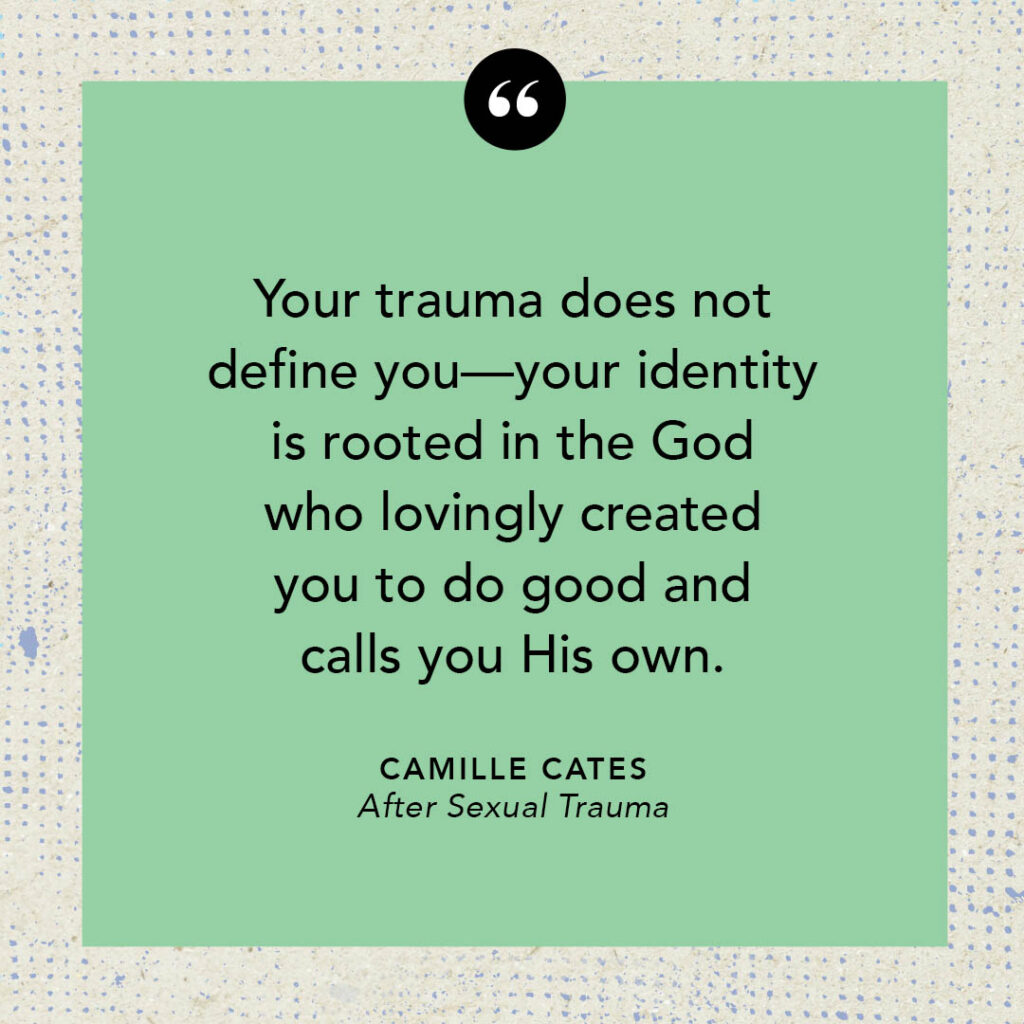
Trust can be one of the hardest things to rebuild after sexual trauma because betrayal shatters our sense of safety. But when we view our struggles through a biblical lens, we find something steady to hold onto—God’s faithful love. Unlike people who have failed us and hurt us, God has never sinned against us and never will.
Learning to trust again begins with knowing that God is completely trustworthy. As we spend time with Him in His Word and in prayer, He reshapes how we see ourselves and others, teaching us when and how to trust wisely. Healing isn’t about rushing to trust people again—it’s about leaning on the One who can be trusted to redeem what sin has broken.
Q: Forgiveness is often a central theme in spiritual healing. How do you help readers approach forgiving their offender while being honest about their suffering and remaining true to the process of renewal?
Forgiveness is one of the hardest parts of healing after abuse or assault. After my daughter’s sexual assault and murder, I wrestled deeply with wanting justice—even revenge—but God reminded me that vengeance belongs to Him. Over time, He softened my heart, showing me that His mercy toward me must shape how I view others, even those who have caused me deep harm.
Forgiveness doesn’t mean minimizing what happened or pretending it didn’t hurt. It means entrusting justice to the only One who can carry it out perfectly—God Himself, whose justice and mercy meet at the cross of Jesus. There, He dealt with sin fully and made a way for sinners to be forgiven, freeing us to rest our case with the Righteous Judge.
Q: In your book, you share stories from the Bible about women who experienced sexual trauma. Why is it beneficial for survivors to read and discuss these stories with a counselor or trusted friend?
The Bible doesn’t shy away from the realities of sexual trauma, telling the stories of victims like Tamar, Dinah, and Hagar, who were sinned against in devastating ways. God includes their stories not to shame them, but to show us that He grieves over what sin has broken and that He redeems it as we turn to Him. Reading these accounts helps survivors realize they are not alone or forgotten, even in the midst of deep pain.
Discussing these stories with a counselor or trusted friend provides a safe space to process emotions and challenge lies about shame and worth. Having someone listen, pray, and point back to God’s character encourages survivors to move from isolation toward connection and healing. Seeing how God worked in the lives of broken people in Scripture helps survivors believe He can bring about restoration in their own lives.
Q: What does the Bible say about justice for victims of sexual trauma, and how can survivors find peace in God’s ultimate justice?
The Bible makes it clear that God cares deeply about justice for victims of sexual trauma. He honors the testimony of the one who has been harmed and calls both the church and the civil authorities to act justly, as we see in passages such as Micah 6:8 and Romans 13. Survivors can take heart knowing that God sees their pain, grieves with them, and will not allow sin to go unpunished—even when human systems fall short.
Finding peace in God’s ultimate justice means surrendering the desire for revenge and trusting Him as the righteous Judge. While we should pursue proper earthly justice, we can rest in the truth that God sees every wrong and “works righteousness and justice for all who are oppressed” (Psalm 103:6). If we don’t get to see a measure of that justice here on earth, we will see it one day in eternity.
Q: You emphasize the importance of seeking out healing and support after experiencing sexual trauma. What are your tips for finding safe and supportive people to talk to following trauma?
Be discerning about whom you share your story with—avoid those who might feel pressured to “stay neutral” or who have ties to the abuser. Seek friends, mentors, or counselors who reflect Christlike qualities, offering compassion, patient understanding, and a safe, nonjudgmental space to process what happened. Even if you haven’t spoken about the abuse before, reaching out to someone you trust can provide guidance and encouragement.
Praying together, reflecting on Scripture, or talking with someone who has walked a similar path can reaffirm your innocence and remind you that you are not alone. Having safe, supportive people in your life provides guidance, encouragement, and a reminder of God’s presence. With God as your refuge and someone trusted walking alongside you, healing and renewal can happen even in the midst of deep pain.
Q: Why might it be especially difficult for a survivor to find renewal after sexual trauma if the abuse or assault was perpetrated by a pastor or church leader?
When the abuser is a pastor or church leader, survivors face not only the trauma of sexual abuse but also the profound betrayal of someone meant to guide and protect them spiritually. This can shake their faith and make it difficult to trust others within the church. The weight of that betrayal often brings shame, confusion, and isolation, making it hard to turn to God for healing.
Many survivors also feel intense pressure to remain silent, fearing blame, retaliation, or damage to their reputations within the congregation. That’s why it’s essential to find safe, trustworthy people to walk alongside them, offering consistent care and support. Pastors and church leaders must approach these situations with wisdom and patience, showing compassionate guidance that honors the survivor’s experience and helps rebuild trust in God’s loving care.
Q: How can After Sexual Trauma be a helpful resource for the church in supporting survivors?
After Sexual Trauma helps the church understand the profound emotional, physical, spiritual, and relational impact of sexual abuse or assault. Survivors often carry shame, fear, and guilt, and the church can unintentionally add to that burden. This book equips leaders and congregants with practical ways to respond with Christlike compassion and create safe spaces where survivors are believed, validated, and guided toward biblical healing.
By combining Scripture with real-life experiences, this book shows the church how to honor victims, pursue justice, and foster healing. It provides tools for walking alongside survivors with sensitivity and care, reflecting God’s heart in every interaction. Ultimately, it is a resource for helping the church support survivors on their journey of renewal in Christ.
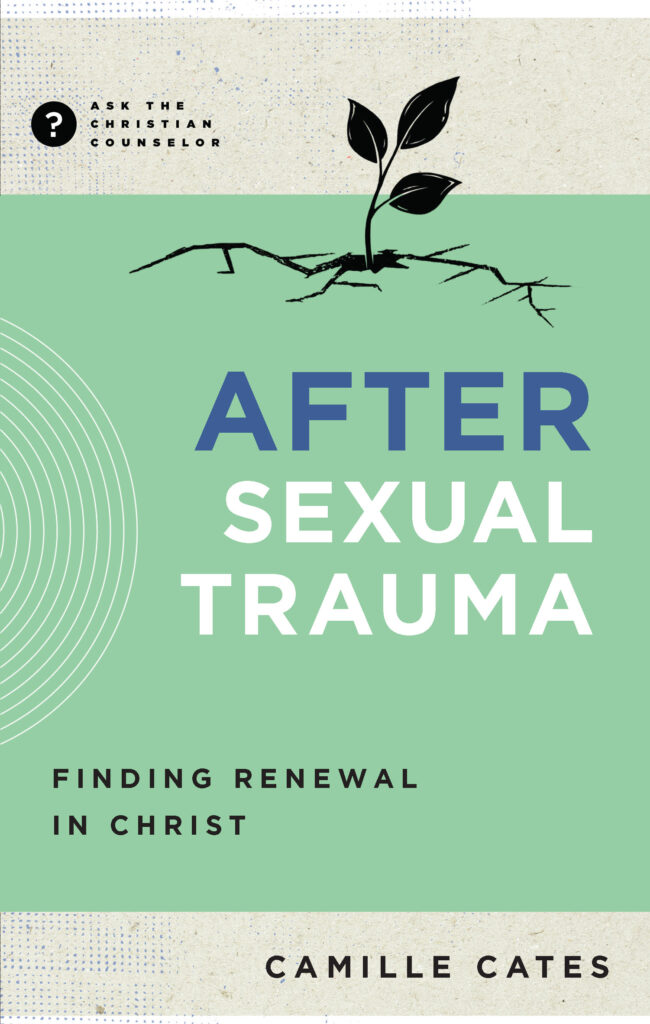
After Sexual Trauma
After Sexual Trauma combines biblical insights with Camille Cates’s personal and counseling experience to offer a message of hope. Each chapter addresses common questions and struggles faced by those who have experienced sexual trauma, including understanding the initial shock and confusion, addressing self-blame, understanding how God views victims, discussing the physical, mental, and emotional effects, and finding healing and wholeness.